
The biggest thing to keep in mind as a landowner is transparency with your tenant and to make sure everyone is on the same page and understands the term and expectations of your farm lease.
Continue reading
The biggest thing to keep in mind as a landowner is transparency with your tenant and to make sure everyone is on the same page and understands the term and expectations of your farm lease.
Continue reading
What do I need an appraisal for? Who can I get to do an appraisal? Will it complete within my deadline? These are only a few questions that come to mind when trying to figure out the burning question: Do I need an appraisal?
Continue reading
What do I need an appraisal for? Who can I get to do an appraisal? Will it complete within my deadline? These are only a few questions that come to mind when trying to figure out the burning question: Do I need an appraisal?
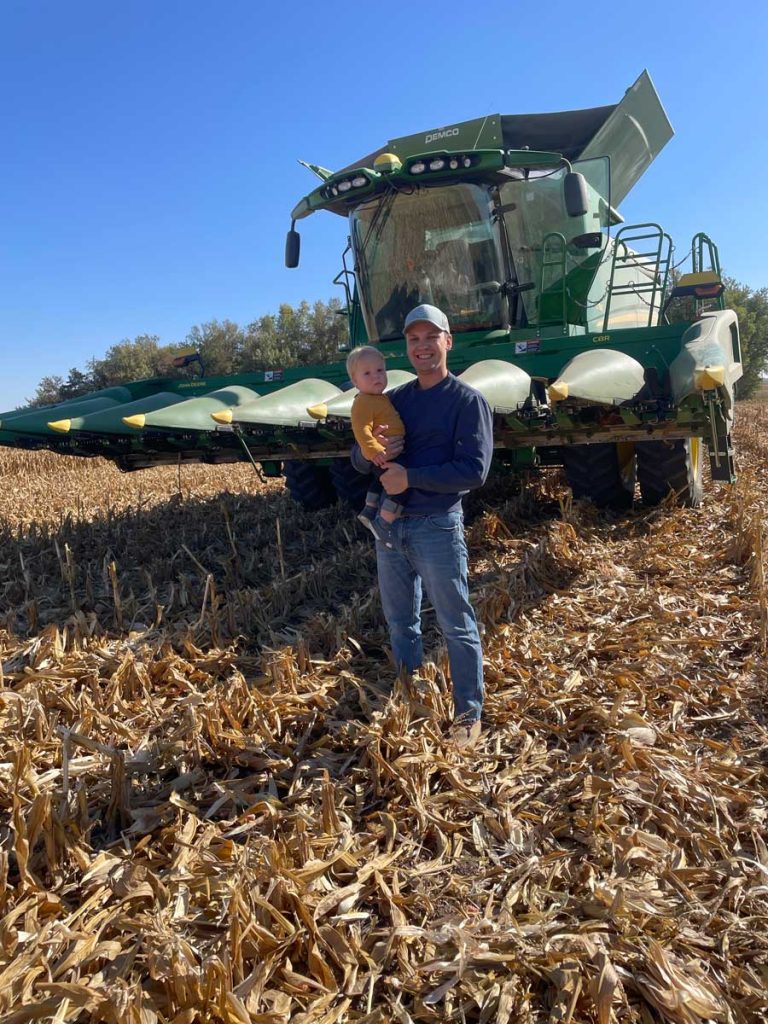
My name is Ethan Sorensen and I’m a Certified General Appraiser in Nebraska, Iowa, and Kansas. I specialize in agricultural appraisals, both vacant land and ag commercial properties, in addition to utility towers and rural residential.
The real estate market, post-COVID, has been unpredictable and very favorable to sellers. Interest rates have increased as of late but in the Ag world, we are not seeing a slowdown yet in farmland values or purchasing power here in the Midwest. Many investors and local landowners are taking advantage of good commodity prices and excess cash available to them. These factors make it hard for landowners to value their property, especially if they are contemplating a sale of their property or trying to gift/succession plan to the next generation.
These increases in the market also makes it difficult for professionals such as lawyers, bankers, and accountants to get a real time picture of what that asset and the market as a whole is doing at any given time.
Most commonly in my industry there are for common reasons to consider getting an appraisal:
In conclusion, the answer to the main question is that it depends on what you need the appraisal for. Every situation and asset is different, and therefore speaking to a professional is sometimes the best first step in determining if you need an appraisal.

We want to wish everyone a Happy Thanksgiving and a blessed holiday! We are thankful for our clients and look forward to serving you throughout the season.


Ethan Sorensen is the founder and owner of NextAg Appraisal & Realty. He grew up on a third-generation family farm in Northeast Nebraska where he is still active in the family farm operation. Ethan’s unique background allows him to understand the generational transition of agricultural assets and “talk the talk” when it comes to your properties.
Ethan holds real estate broker credentials in Nebraska and Iowa and is a Certified General Appraiser in Nebraska, Iowa, and Kansas. Ethan is a 2014 graduate of the University Nebraska – Lincoln with a bachelor’s degree in Agribusiness.
In his free time, Ethan likes to play golf, attend husker football games, and do woodwork. He and his wife, Taileigh live in Lincoln with their son, Louis, and welsh corgi, Pip.
For an investor to benefit from the asset’s total appreciation, good farmland management is essential. Nowadays, farming involves more than just growing crops; landowners and farmers also need to take care of issues like profitability, fertility, conservation, and taxes, to name a few. To maximize the growth and revenue of investment farms, a qualified and experienced farm manager is crucial.
A tailored farm management plan and oversight will align the interests of the farmer and landowner to maximize their return on investment because not all farms are made equally (ROI). To run a farm effectively, one must concentrate on the following things:
The degeneration of agriculture or a severe loss in ROI can result from…

Considering all the factors affecting the economy, there has not been such a time in economic history as this. “We believe 2023 may present more risk and more volatility,” Jim Knuth, Senior Vice President of business development at Farm Credit Services of America warns. He continues to express that producers should expect to experience tight financial times as the gap between input costs and prices continue to worsen.
Producers should consider cost structure, maintaining sufficient working capital, and not prepaying for low-interest debt this coming season.
In planning for your farm, consider your operation as a whole to understand the cost and profit needed to break even and plan for crop insurance. Knuth encourages producers to meet with their respected broker or marketing services to plan for profitable prices and commodities.
Here are some financial tips Knuth asks farmers and producers to consider heading into the next financial year:
According to Tryston Beyrer, crop nutrition lead for western North America at Mosaic, November is probably your final opportunity to collect soil samples before the winter freeze.
Beyrer asserts that knowing how changeable their soils are will be helpful this year in helping to make site-specific judgments. Collecting samples and ensuring that macro and micronutrients are present where necessary is one-way farmers may save money. Growers should consider several factors, including the pH of the soil and the concentrations of nitrogen, phosphorus, potassium, sulfur, zinc, manganese, and boron.
Growers should order seeds as soon as possible and study the soil’s nutrition. The sooner the seeds are selected for the upcoming planting season, the more likely they receive the seed, treatment, and trait in that genetic package.
According to Beyrer, this is also a good opportunity to analyze harvest data and consult with an agronomic about how to make the most of your acres. Additionally, he advises farmers to secure their fertilizer supply now and benefit from the sales that suppliers frequently run around this time of year.
References:Walter, C. (2022) Prepare for the pinch of 2023, Successful Farming. Successful Farming. Available at: https://www.agriculture.com/farm-management/business-planning/prepare-for-the-pinch-of-2023 (Accessed: November 14, 2022).


According to a 2020 study done by Iowa State University, about half of all farmland in the Midwest is rented through short term leases (1-2 years).
“Farmland rental arrangements where tenants may not reap the benefits of conservation investments are a commonly cited barrier to conservation practice adoption in agriculture and may result in lower adoption rates on rented land than on owner-operated fields,”. (Wilde, 2022) . Due to conservation practices being multiyear projects that may not immediately show results, tenants with short term leases are discouraged from investing in conservation as they may not provide a return within the time of their lease.
The study encourages farmers to sign up for leases 3 years and above to invoke confidence in the return of investment for conservational farming practices and methods. It is vital that proper leasing agreements are done for conservational efforts to be implemented. If no lease documentation is in place, farmers are less encouraged to have important conversations about land care or using cost share resources for conservational practices.
It is recommended farmers and tenants discuss goals, rental rates, future adjustments to the agreement, conservational objectives and any concerns that may be preventing farmers from leasing for a longer time before agreeing to the lease. Foundations such as the Chesapeake Bay Foundation (CBF) and Natural Resources Conservation Service (NRCS) may help farmers to implement consevational strategies on their land such as using science-based approaches to prevent pollution in natural occurring bodies of water.
In conclusion, a long term lease on agricultural property is necessary for conservational efforts to provide a worthwhile return on investment due to its multiyear process. Farmers who sign on for short term leases may not be able to obtain high returns as their is an adjustment period where harvest may decrease at first, however it will stabilize over time.
Reference:Wilde, M. (2022, June 12). New lease on conservation. DTN Progressive Farmer. Retrieved September 19, 2022, from https://www.dtnpf.com/agriculture/web/ag/magazine/your-land/article/2022/06/12/new-lease-conservation


About only an estimated 50% of farmers and ranchers actually have an up-to-date estate or succession plan, or any estate plan at all. This may be due to a number of reasons including failure to create a retirement plan, wanting total control lof their land, or just lack of awareness. However, it is important for the prolongation of the estate’s success that a proper succession plan is put into place.
Here are some steps towards getting your succession plan in the works:
List your Assets
Be sure to keep a detailed inventory of the assets currently owned, how they are owned, any outstanding debt that may need to be settled and how much your assets are worth currently. Within the document, be sure to include any family and personal details that may bw relevant in the event of succession, a will if there is one ready, documents for trust or entities that may be in place, total assets and businesses in detail, inventory of grain and livestock, automobiles with current value stated, and any other loans or obligations you may have.
Have a Family Meeting
Gather everyone who may be a potential successor to your assets and discuss an agreeable way to divide all assets including inheritance, properties or any personal memorabilia that may hold sentimental value. After a settlement is agreed upon, the current asset holder may reach a decision alone and proceed to document the final agreement.
Seek an Attorney
Once the list of assets as well as the list of successors have been finalized an attorney may provide you more guidance on how to execute the succession process so that it may be successful. This may include deciding which tool to use in the event of succession i.e: a will, LLC, a trust or a combination of these things. An attorney’s advice here is crucial as they may know the ramifications of each route.
After the succession plan is writted and signed, immediate family may be informed. As your assets change overtime, there may come a time where the succession plan will need to be amended, however the process will not be as strenuous as there is already a foundation to work off of.


For an investor to benefit from the asset’s total appreciation, good farmland management is essential. Nowadays, farming involves more than just growing crops; landowners and farmers also need to take care of issues like profitability, fertility, conservation, and taxes, to name a few. To maximize the growth and revenue of investment farms, a qualified and experienced farm manager is crucial.
A tailored farm management plan and oversight will align the interests of the farmer and landowner to maximize their return on investment because not all farms are made equally (ROI). To run a farm effectively, one must concentrate on the following things:
The degeneration of agriculture or a severe loss in ROI can result from neglecting even one of these essential responsibilities. Although the economic growth hasn’t always gone back to the landowners, farming has emerged during the past ten years as one of the most lucrative industries. We predict that, nationwide, landowners only receive, on average, 50% of their prospective rental income. This implies that American farmers are passing up $25 billion in rental money. Professional farm management services will enable investors to maximize their return on investment and to own a long-lasting asset.
Profitability
Producing food for an expanding population and giving its owner sporadic revenue flow with a stable appreciation upside make productive cropland valuable on numerous levels. According to the USDA, U.S. cropland has given investors a 10.6% annual return over the past 14 years through appreciation and rental agreements. U.S. farmland is well-positioned to continue appreciating, yielding annual rental rates of over 5% of the land’s value due to worldwide demand for commodities such as corn, soybeans, and wheat. Every investor’s portfolio that is properly diversified should include farmland.
Farm management is crucial in maximizing annual ROI. Every farm should develop in value over time and generate revenue for its owners annually. With modern farm management, landowners may anticipate considerably more profitability.
Production
Monitoring crop conditions are especially crucial in specific leases, such as flex and custom farming, where the landlord has upside potential for the property’s production. Farmers and farm managers collaborate to ensure that climate-appropriate seeds were planted for the future growing season and that planting was successful.
Farm managers stay in touch with operators during the planting season to learn how the crops are doing; this will assist create a solid historical dossier for the property. Future buyers prefer properties with regular yields, farmland with proven yields of 200 bushels of corn will be worth more than one with fluctuating production history and identical soil quality.
Farm managers will record yield information from the harvest for the property’s historical records. The farm manager will frequently receive a yield map from the operator, which shows where the field’s highest yielding spots are and other characteristics like compaction or poor drainage. Locating the poorly drained sections of the property is sometimes. A manager will then investigate where extra drainage relief is required.
Conservation
Perhaps the most crucial resource for maintaining life in a populated world is farmland. Farmland maintenance and conservation are vital if we are to feed the world’s expanding population. The Natural Resource Conservation Service was created by the USDA to protect our resources (NRCS). The NRCS assists landowners with decreasing soil erosion, promoting wildlife habitat, improving water quality, expanding water supplies, and lessening flood and other natural disaster damage.
Farmland owners have access to several programs; the ones they use most frequently include the Conservation Reserve Program (CRP), Grassland Reserve Program (GRP), Water Bank Program (WBP), Wetland Reserve Program (WRP), and Emergency Watershed Program (EWP). The landowner receives yearly payments, and the contracts typically run for 10 to 15 years. However, the management must demonstrate excellence and dedication to qualify for these programs.
Capital Upgrades
The farm manager and owner should aim for optimal farmability, which includes capital improvement projects, to maximize appreciation. Farm managers can provide projects that can accommodate any landowner’s budget using various capital improvement strategies. Access, erosive processes, and drainage are all common capital upgrades. These upgrades include investing in drain tiles, adding retaining walls, and extreme measures like installing waterways, ditches, terraces, and more.
Communication
Clear communication is essential to ensuring smooth client-manager relations. Each management task has a purpose, covered in detail in the paragraphs above. Communicating why duties are necessary will keep all parties on the same page.
Usually, the farm manager will provide a written annual report, highlighting the previous farming season, the outlook for the coming season, and potential capital improvement projects. This helps the client to document the farming operation and better understand their investment.
Leasing
The farm manager’s interactions with the tenant operator are an important aspect of their work. The operator you choose can make or break your investment in agriculture. The operator will assist in assessing a property’s fertility, productivity, conservation, and aesthetics in the short- and long-term. An unmanaged year of farming may do a lot of harm to a piece of property.
Managers will speak with qualified farmers and carry out an in-depth investigation of the tenant’s business to ensure they choose the best renter. Background checks are crucial since lenders and local contacts can provide more light on a farmer’s creditworthiness.
There should be a sizable pool of candidates competing for a particular rental property, according to the manager. Landlords will receive the highest rent feasible if there is competition among operators for leasing a facility. A smart manager will be aware of the local market rent and start bargaining from there.
A decent farm manager is distinguished from a great farm manager by choosing the appropriate sort of lease. Each lease has a unique cash flow and risk profile. The owner and management must be on the same page, at ease with the selected lease, and aware of the extent of the landlord’s risk exposure.
Four lease types are frequently employed:
Though each lease is unique, they all share two crucial characteristics: cost and duration.
Fertility
Farm managers collaborate with farmers to assess the property’s fertility using soil samples once harvest is over. Then, farmers start planning their input purchases for the upcoming year. To ensure that the right amount of fertilizer is used to produce the best yields, farmers analyze the soil fertility using soil samples at least every other year.
Farmers should not apply more fertilizer than their soil’s Cation-Exchange Capability (CEC) can tolerate because that would result in waste. The quantity of nutrients soil can effectively absorb at a particular pH level is known as soil CEC. Overfertilization can result in fertilizer runoff and waste if the soil has a low CEC.
Insurance
A good farm manager will go above and beyond to ensure that a customer has liability insurance. Due to the yearly usage of heavy equipment on a specific land, farming can have numerous occupational hazards. Accidents might occur, so it’s crucial to ensure that a customer is shielded from liability. Although a farm manager won’t often administer insurance, it is their responsibility to guide the client through the procedure and offer assistance.
Taxes
Annual property taxes must be settled by the due dates, which change from state to state. To ensure that their client complies, a manager must be aware of each state’s deadlines since some clients may own properties in numerous states. The education of a customer regarding property taxes is crucial to a manager’s responsibilities because failure to pay property taxes could result in fines on the property.